
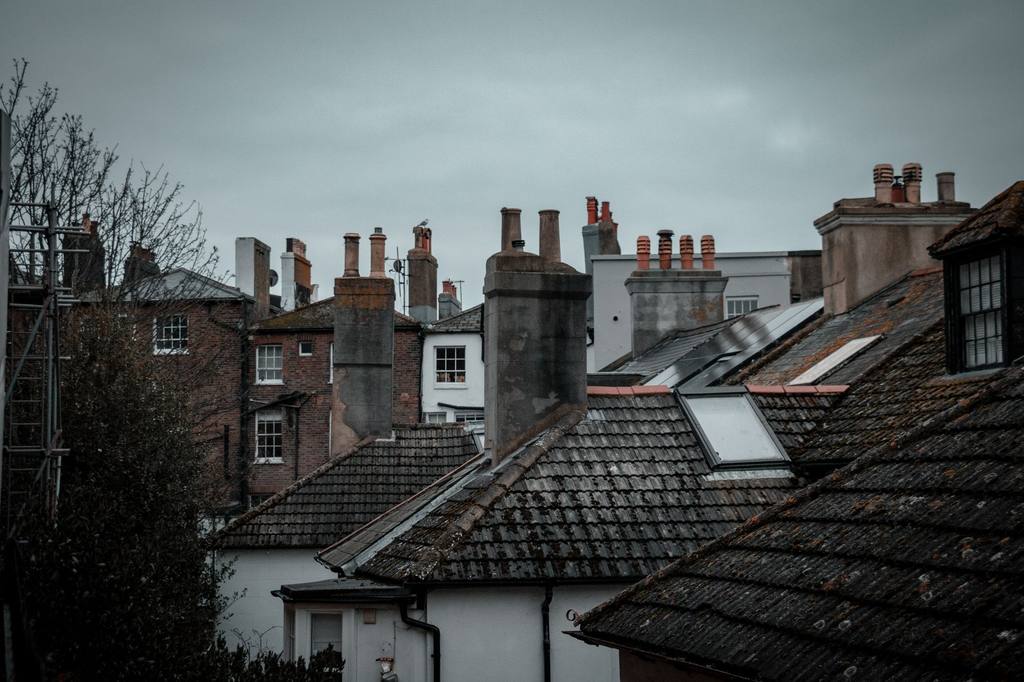
It usually starts politely. A man knocks, says he was working on a neighbour's house and noticed a slipped slate, a cracked ridge tile or a loose bit of flashing on yours. He can sort it this afternoon; he has a ladder on the van. By the evening the price has trebled, something "much worse" has been discovered, and you are being pressed for cash.
Not every roofer who knocks on doors is a criminal, and many honest firms leaflet a street after finishing a job there. But the pattern above is so common that it is worth knowing your rights before the doorbell goes. This guide sets out the cancellation rules that apply when you agree work at home, the warning signs, how to check a roofer properly, and what to do if you have already paid. Sources were checked on 21 October 2026.
How big is the problem?
Citizens Advice reported in August 2025 that its consumer service received 36,534 complaints about home maintenance and improvements between July 2024 and June 2025. The largest category by type of work was roofing, roof sealing and chimney repairs, with 8,126 complaints (22.2%) - nearly twice as many as major renovations such as lofts and extensions. One in seven of all home-improvement complaints (5,230) involved scams or rogue traders.
The National Trading Standards strategic assessment published in October 2025 recorded 6,288 doorstep crime and cold-calling intelligence logs in England and Wales for April 2024 to March 2025, and noted "a continued rise in roofing and building fraud and scams", along with concern about misleading online listings for roofers and builders. The same report cites police fraud data showing 6,825 door-to-door sales and bogus caller reports across the UK, with reported losses of £47.6 million.
A roof suits the fraudster for an obvious reason: you cannot easily see it. Damage can be invented, photographs can be of someone else's house, and work that was never done is hard to disprove from the garden.
Your rights when you agree work at home
If you agree a contract with a trader at your home, rather than at their premises, it is normally an off-premises contract under the Consumer Contracts (Information, Cancellation and Additional Charges) Regulations 2013. That brings several protections that matter a great deal on the doorstep.
A 14-day cancellation period
For a service, you can normally cancel within 14 days of the contract being made, without giving a reason. The trader must give you information about that right, and a cancellation form, in writing.
Up to 12 months more if they do not tell you
Under regulation 31, if the trader does not give you the required information on the right to cancel, the cancellation period is extended. If they provide it late, you get 14 days from receiving it; if they never provide it, the period ends 12 months after it would otherwise have ended.
Work should not start early unless you ask in writing
Regulation 36 says the trader must not begin the service during the cancellation period unless you have made an express request - and for an off-premises contract, that request must be on a "durable medium", such as a signed document or an email. If you do ask for an early start and then cancel, you pay a proportionate amount for what has been supplied. Crucially, if the trader failed to give you the cancellation information, or started without a proper request, you bear no cost for the work done in that period.
Failing to tell you is a criminal offence
Under regulation 19, a trader who enters into an off-premises contract without giving the required cancellation information commits an offence. Trading Standards take this seriously because it is the commonest feature of doorstep roofing cases.
The exception for genuine emergencies
There is one important limit. Regulation 28 removes the cancellation right where you specifically asked a trader to visit to carry out urgent repairs. But it still applies to any additional services or goods, beyond the urgent repair and necessary replacement parts, sold on that visit. A roofer you called to stop a leak cannot use the visit to sell you an unrequested re-roof without the usual protections.
The warning signs
- The unsolicited "I noticed your roof" - particularly after a storm, and particularly if the caller offers to go up "for a look" at no charge.
- Photographs you cannot verify. Ask how you can tell the picture shows your roof; a genuine roofer will show you from the ground or a window, or offer an independent inspection.
- A price that grows once the ladder is up, with newly discovered "rotten timbers" or "dangerous" chimneys.
- Pressure to decide today: "the scaffold is only free this week", "the price is only good now".
- Cash only, or a bank transfer to a personal account, or an offer to drive you to the bank.
- No written quote, no address, and no cancellation notice. A mobile number and a first name are not a business.
- Talk of "spraying" or "sealing" the roof as a cure-all. Roof sealing sits in the same Citizens Advice complaint category as roofing; get an independent opinion before agreeing to any coating.
The National Trading Standards assessment also notes that rogue traders have been reported scouring planning applications to target homeowners. If you have just had permission for a loft or extension, expect the post and the doorbell to be busier.
How to check a roofer properly
The only reliable approach is to choose the roofer yourself and check them independently, rather than starting with whoever knocked.
- Check the scheme registration on the scheme's own website. GOV.UK's list of competent person schemes names two schemes authorised for replacement roof coverings on pitched and flat roofs: CompetentRoofer, operated by the National Federation of Roofing Contractors, and NAPIT. Search the NFRC Competent Person Scheme directory or NAPIT's register directly.
- Check trade association membership. The NFRC trade member directory is searchable; a logo on a van or website is not evidence.
- Check TrustMark. TrustMark is the government-endorsed quality scheme for work in and around the home. It says registered businesses are expected to provide financial protection covering deposits and prepayments and at least two years after completion.
- Check Companies House. For a limited company, look it up on Companies House: incorporation date, registered office, directors, whether accounts are filed on time. A company formed last month with a residential office and a director linked to dissolved roofing companies deserves caution.
- Match the names. The name on the quote, the scheme register, the insurance certificate and the bank account should all be the same business.
- Get at least two further written quotes from firms you found yourself. A large gap between the doorstep price and the others is information in itself.
The paperwork a proper re-roof comes with
Where 50% or more of a roof is being refurbished, the NFRC's Competent Person Scheme guidance explains that Building Control must be notified and the insulation brought up to the required standard. A CompetentRoofer-registered contractor can self-certify and arrange a Building Regulations Compliance Certificate; otherwise you go to building control yourself. The NFRC's homeowner page says its scheme contractors' sales contracts must include a 14-day cooling-off period and a ten-year workmanship guarantee, with an insurance-backed guarantee on domestic notifications.
A cold caller who says the roof "doesn't need any certificate" for a full replacement is telling you something important about himself. For more on what a re-roof involves, see our guide to new roof costs and the rules on re-roofing.
Paying safely
Agree a written payment schedule tied to stages you can verify, and keep any deposit modest. Paying by credit card gives you an extra route if things go wrong: Citizens Advice explains that under Section 75 of the Consumer Credit Act you can claim from the card provider where the item or service cost more than £100 and no more than £30,000, even if only part was paid by card. Debit card payments may be recoverable through chargeback. Cash offers no such protection.
If you have already agreed or paid
- Cancel in writing if you are within the cancellation period - including any extended period because you were never given the cancellation information. Keep a copy and proof of sending.
- Ask for the work to stop and for any scaffold to be made safe; do not hand over more money while you take advice.
- Gather evidence: the quote, receipts, texts, the van registration, photographs and dates, as Citizens Advice recommends.
- Contact the Citizens Advice consumer service on 0808 223 1133. It can pass details to Trading Standards.
- Report fraud to Report Fraud on 0300 123 2040 or online. If you are being pressured, intimidated or a caller will not leave, call 999.
- Contact your bank or card provider immediately if you paid by transfer or card.
- Get the roof inspected independently before paying anyone else, so you know what was actually done.
A sensible rule for the doorstep
Thank the caller, take nothing on trust, and agree nothing on the day. If you are genuinely worried about your roof, have it looked at by a roofer you have checked yourself, ideally one registered with an authorised scheme. If the doorstep warning was true, it will still be true tomorrow - and you will have the paperwork, the prices and the protections to deal with it properly.
Sources (checked 21 October 2026): Citizens Advice, press release 11 August 2025; National Trading Standards, National Strategic Assessment, October 2025; Consumer Contracts Regulations 2013 (regulations 19, 28, 31 and 36); GOV.UK, Competent person schemes; NFRC Competent Person Scheme, Domestic / Residential; NFRC CPS, FAQs; TrustMark, Financial protection; Citizens Advice, Getting your money back if you paid by card; Report Fraud. Nothing here is legal advice.
Quick answers
Can I cancel roofing work I agreed to on the doorstep?
Usually, yes. A contract agreed at your home is normally an off-premises contract under the Consumer Contracts Regulations 2013, which gives a 14-day cancellation period. If the trader did not give you the required cancellation information, the period can extend by up to 12 months.
Do I have to pay for work done during the cancellation period?
Only if you expressly asked, on a durable medium such as a signed form or email, for work to start early. Even then you pay a proportionate amount. If the trader failed to give you the cancellation information, regulation 36 says you bear no cost for work done in that period.
Who do I report a rogue roofer to?
Call the Citizens Advice consumer service on 0808 223 1133, which passes reports to Trading Standards. Report fraud to Report Fraud (reportfraud.police.uk, 0300 123 2040). If you feel threatened or someone refuses to leave, call 999.